APP modified bitumen handles Houston’s extreme heat better than SBS modified bitumen. SBS offers stronger flexibility for temperature swings and building movement. Choosing between modified bitumen APP vs SBS depends on your roof’s slope, sun exposure, and long term maintenance plan. Commercial Roofing Houston installs and repairs both APP and SBS modified bitumen roofing systems for businesses across Houston, Katy, and Sugar Land.
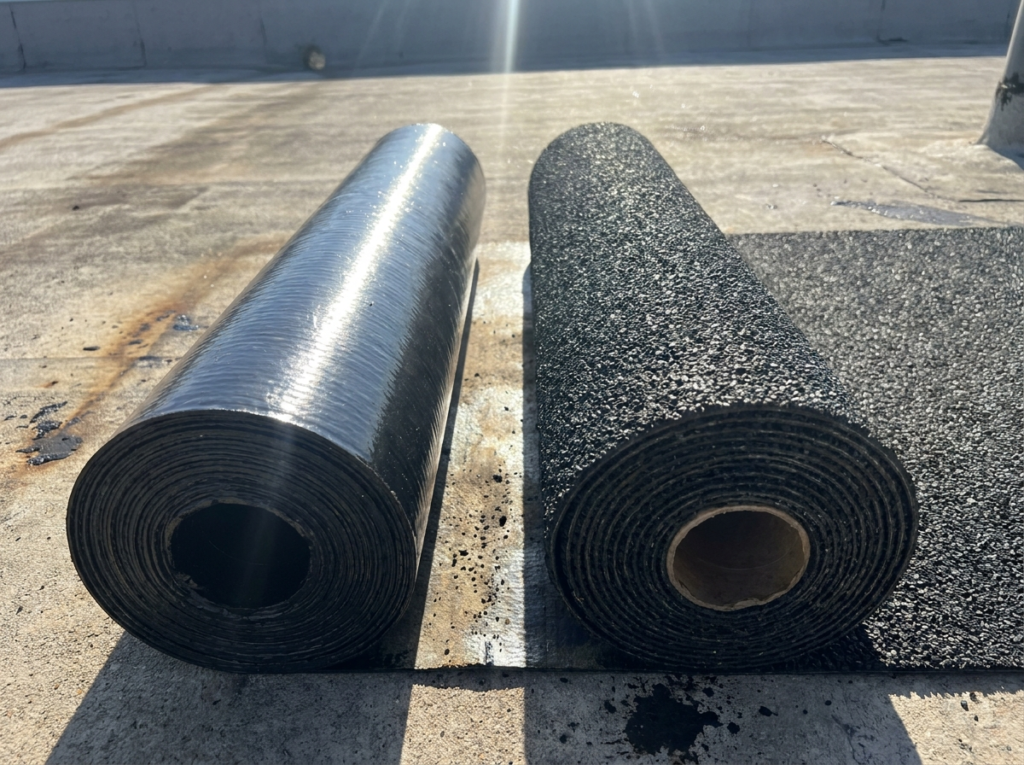
This guide breaks down how each membrane performs under Gulf Coast sun. It also explains which system fits different building types.
Quick Answer: APP vs SBS for Houston Roofs
APP membranes resist heat and UV rays with a plastic like surface. SBS membranes stretch and flex like rubber during thermal cycling. For flat roofs with constant direct sun, APP modified bitumen holds its shape longer. For roofs with heavy foot traffic or frequent temperature shifts, SBS modified bitumen absorbs movement more smoothly.
Neither option is automatically the right choice. The best modified bitumen system matches your building’s specific conditions.
What Is Modified Bitumen Roofing?
Modified bitumen is a multi ply, asphalt based roofing membrane. Manufacturers reinforce it with polymers to boost strength and flexibility. This roofing type has protected commercial flat roofs since the 1970s.
Every modified bitumen roof uses one of two polymer types. APP stands for atactic polypropylene, a plastic based modifier. SBS stands for styrene butadiene styrene, a rubber based modifier. Each polymer changes how the membrane reacts to Houston’s heat, humidity, and storms.
If you want a deeper breakdown of this roofing category, our guide on what modified bitumen roofing is and whether it fits Houston businesses covers the basics in detail.
How APP Modified Bitumen Performs in Houston Heat
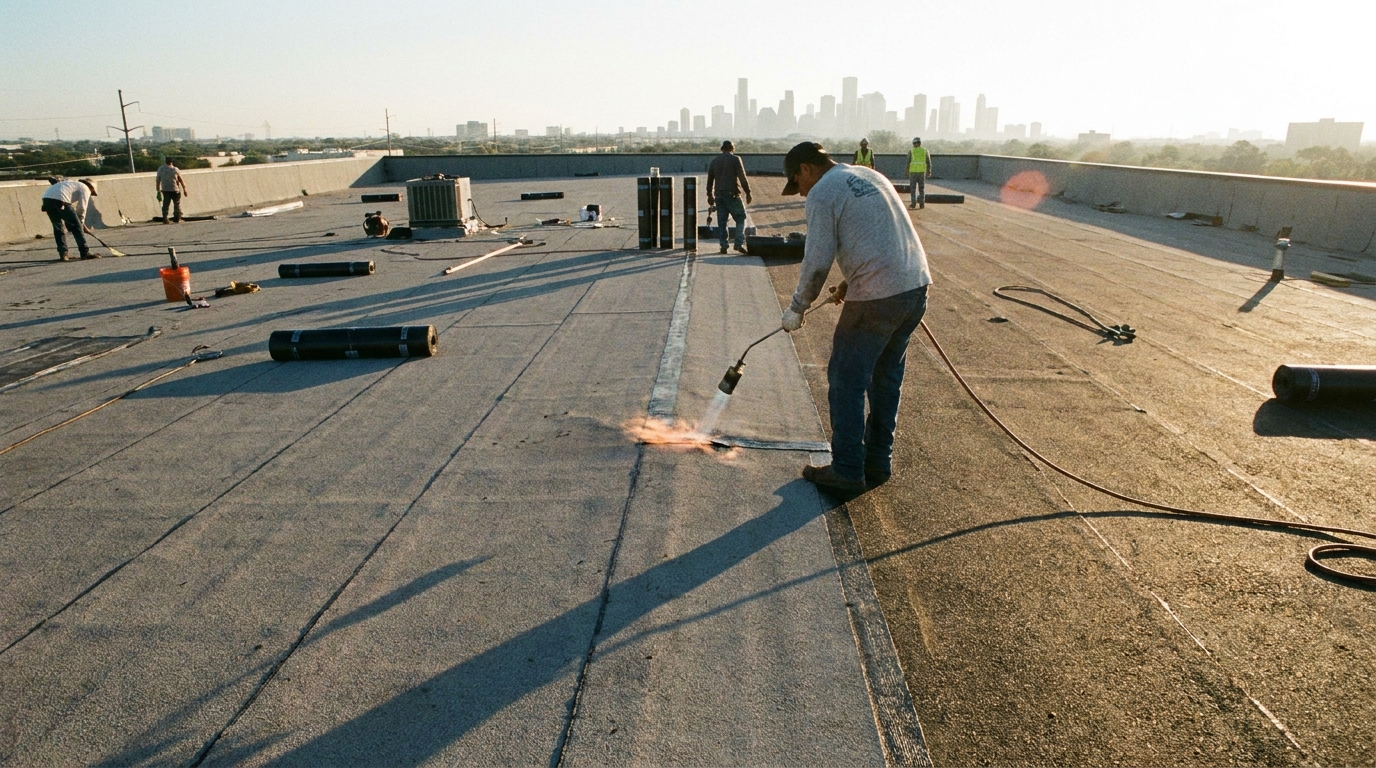
APP modified bitumen behaves like a thermoplastic once installed. Heat actually helps this membrane bond during torch down application. That same heat tolerance carries into daily performance on the roof.
Strengths of APP Membranes
APP sheets stay stable at high surface temperatures. Houston roofs regularly hit 150 degrees Fahrenheit during summer. APP resists softening and slumping under this kind of sustained heat.
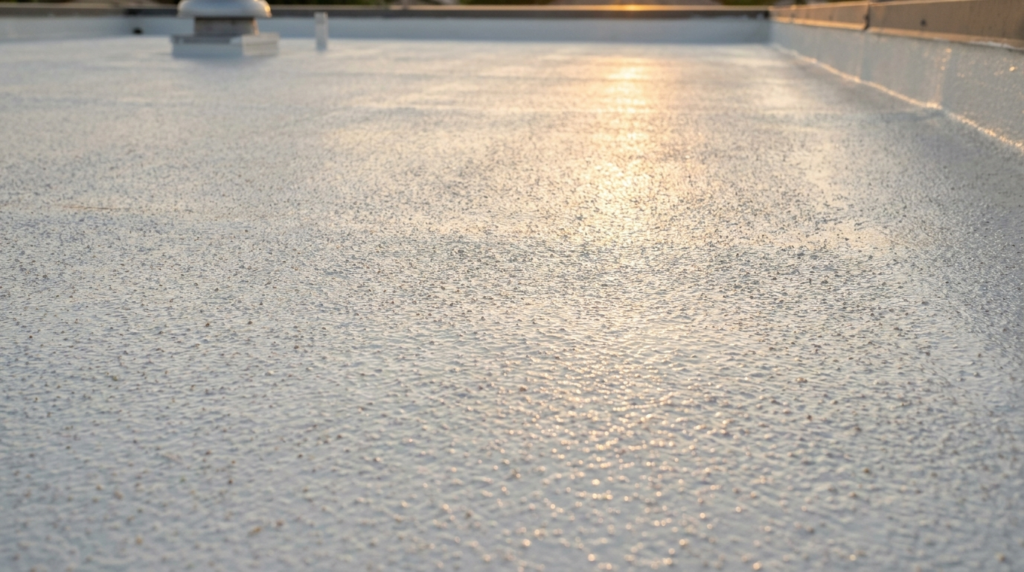
This membrane also holds up well against UV exposure. The plastic surface resists degradation from constant sun. Many APP systems come with a granulated cap sheet for extra protection.
Considerations With APP Membranes
APP membranes are stiffer than SBS membranes. This reduces flexibility during rapid temperature swings. Buildings with significant structural movement may need extra detailing at seams and flashings.
Cold weather installation also requires more heat during torch application. Houston’s mild winters rarely create this challenge. Still, installer experience matters for a clean, long lasting seal.
How SBS Modified Bitumen Performs in Houston’s Climate
SBS modified bitumen uses a rubber like polymer structure. This gives the membrane elastic, stretchy properties. The material moves with the building instead of fighting against it.
Strengths of SBS Membranes
SBS handles thermal expansion and contraction with ease. Houston’s daily heat cycles push roofing materials through constant movement. SBS membranes flex rather than crack under this repeated stress.
This system also performs well during hail season. The rubberized surface absorbs impact energy effectively. Multi ply SBS roofs add redundancy against storm damage, which matters in Houston’s hurricane prone climate.
Considerations With SBS Membranes
SBS membranes typically use hot asphalt, torch application, or cold adhesives for installation. Torch application still involves an open flame and requires trained crews. Self adhered options remove the flame risk but demand precise surface preparation for a strong bond.
Granule loss can occur over time on some SBS cap sheets. Routine inspections catch this early. Regular maintenance keeps the membrane performing at its best for decades.
APP vs SBS: Side by Side Comparison for Houston Buildings
Here is how modified bitumen APP vs SBS compares across key performance factors for Houston commercial roofs.
Heat resistance: APP holds its shape better under sustained, intense heat. SBS remains stable but relies more on quality installation for peak heat performance.
Flexibility: SBS flexes more during thermal cycling and building movement. APP offers less give but more rigidity for stability.
UV resistance: Both systems perform well with proper cap sheet surfacing. APP’s plastic composition adds a slight edge in raw UV tolerance.
Storm and hail resistance: SBS absorbs impact energy through its rubberized structure. Multi ply SBS systems provide strong redundancy during severe weather.
Installation method: APP almost always uses torch down application. SBS offers torch, hot mop, or cold adhesive options, giving contractors more flexibility.
Typical lifespan: Both systems reach 20 to 30 years with proper installation and consistent maintenance. Lifespan depends more on ply count and workmanship than polymer type alone.
Which System Fits Your Houston Property?
Your building type, roof slope, and usage pattern should guide this decision. A warehouse with a large, sun exposed flat roof often benefits from APP’s heat stability. An office building with rooftop equipment and regular foot traffic may benefit from SBS flexibility.
Buildings near industrial zones with heavy vibration also lean toward SBS. Retail centers with simple, low slope roofs often do well with APP. A licensed roofing contractor can evaluate your specific structure before recommending a system.
If you already know you need new roofing installed, our team handles commercial roof installation for both APP and SBS modified bitumen systems. We also manage full commercial roof replacement projects when an aging roof reaches the end of its service life.
Installation Quality Matters More Than Material Choice
The debate between modified bitumen APP vs SBS matters less than proper installation. A well installed SBS roof will often outperform a poorly installed APP roof. The reverse is equally true.
Torch welding quality determines seam strength on both systems. Base sheet layering, insulation choice, and flashing details all affect long term performance. Manufacturer certified installers follow precise application standards for every ply.
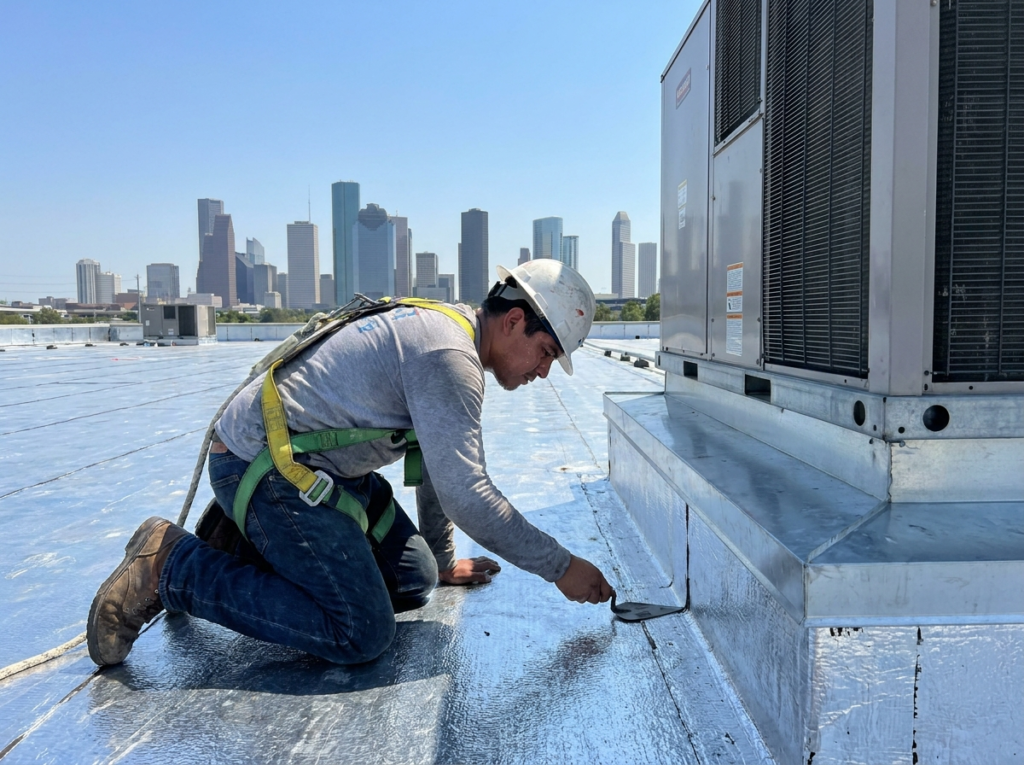
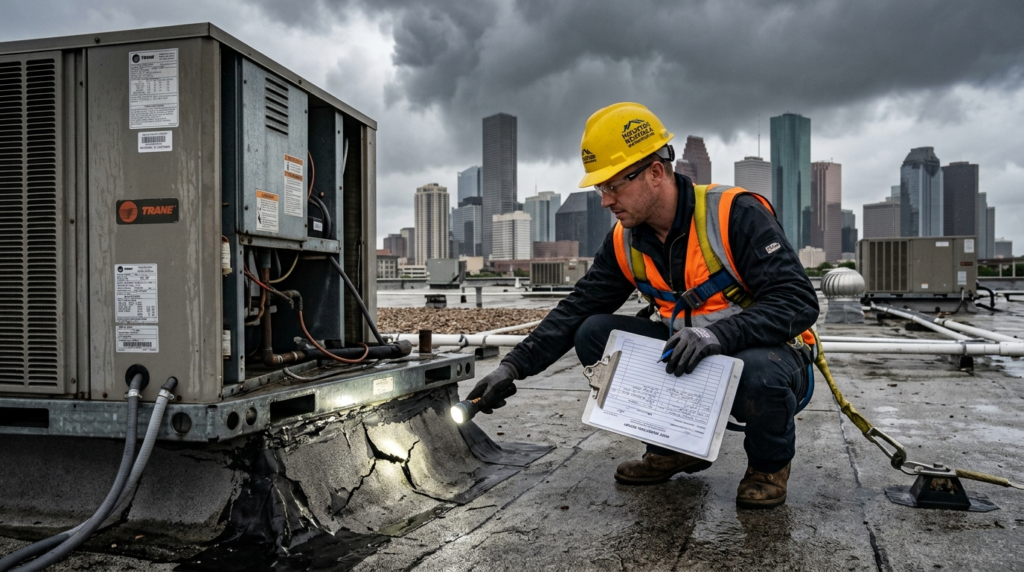
Regular inspections extend the life of either system significantly. Semi annual checkups catch small issues before they grow. Prompt attention to seams, flashings, and drains protects your investment for years.
For roofs already showing wear, our commercial roof repair team addresses seam separation, granule loss, and flashing concerns quickly.
Cost Comparison: APP vs SBS Modified Bitumen in Houston
Modified bitumen roofing in Houston typically costs between $5.50 and $10.50 per square foot. This range covers materials, labor, insulation, and standard warranty coverage. A 10,000 square foot torch applied system with polyiso insulation usually averages $7.00 to $8.50 per square foot.
APP and SBS materials cost roughly the same per square foot. Installation method and ply count influence price more than polymer type. Multi ply systems cost more upfront but deliver stronger long term value through added redundancy.
Modified bitumen remains a strong middle ground option. It costs less than premium single ply systems like PVC while offering superior puncture resistance. Building owners across Houston, Katy, and Sugar Land choose this system for reliable, cost effective protection.
According to the National Roofing Contractors Association, proper design and installation practices remain the leading factor in long term membrane roof performance, reinforcing that workmanship carries as much weight as material selection.
Frequently Asked Questions
Is APP or SBS better for Houston’s climate?
APP performs better under sustained, intense heat. SBS performs better under frequent temperature cycling and storm impact. Many Houston roofs use SBS because it balances flexibility with strong overall durability.
How long does modified bitumen roofing last in Houston?
Quality modified bitumen roofing lasts 20 to 30 years with proper installation. Semi annual inspections and prompt repairs help roofs reach the higher end of that range.
Can APP and SBS be combined on one roof?
Yes, some multi ply systems combine an SBS base sheet with an APP cap sheet. This approach can balance flexibility below with heat resistance on the surface layer.
What is the difference between torch down and self adhered modified bitumen?
Torch down application uses a propane torch to melt and bond the membrane. Self adhered systems use a sticky backing that bonds without heat, removing fire risk during installation.
Does modified bitumen work well on Houston warehouses?
Yes, modified bitumen suits large, flat, sun exposed warehouse roofs well. Its multi ply construction handles foot traffic, rooftop equipment, and Houston’s demanding climate with proven reliability.
Final Words
Choosing between modified bitumen APP vs SBS should never feel like guesswork. Our licensed Houston roofing team evaluates your building and recommends the right system for your climate, slope, and budget. We proudly serve businesses across Houston, Katy, and Sugar Land with expert installation, repair, and replacement.
Ready to protect your building with a roofing system built for Houston’s heat? Contact our team today for a free inspection and estimate.