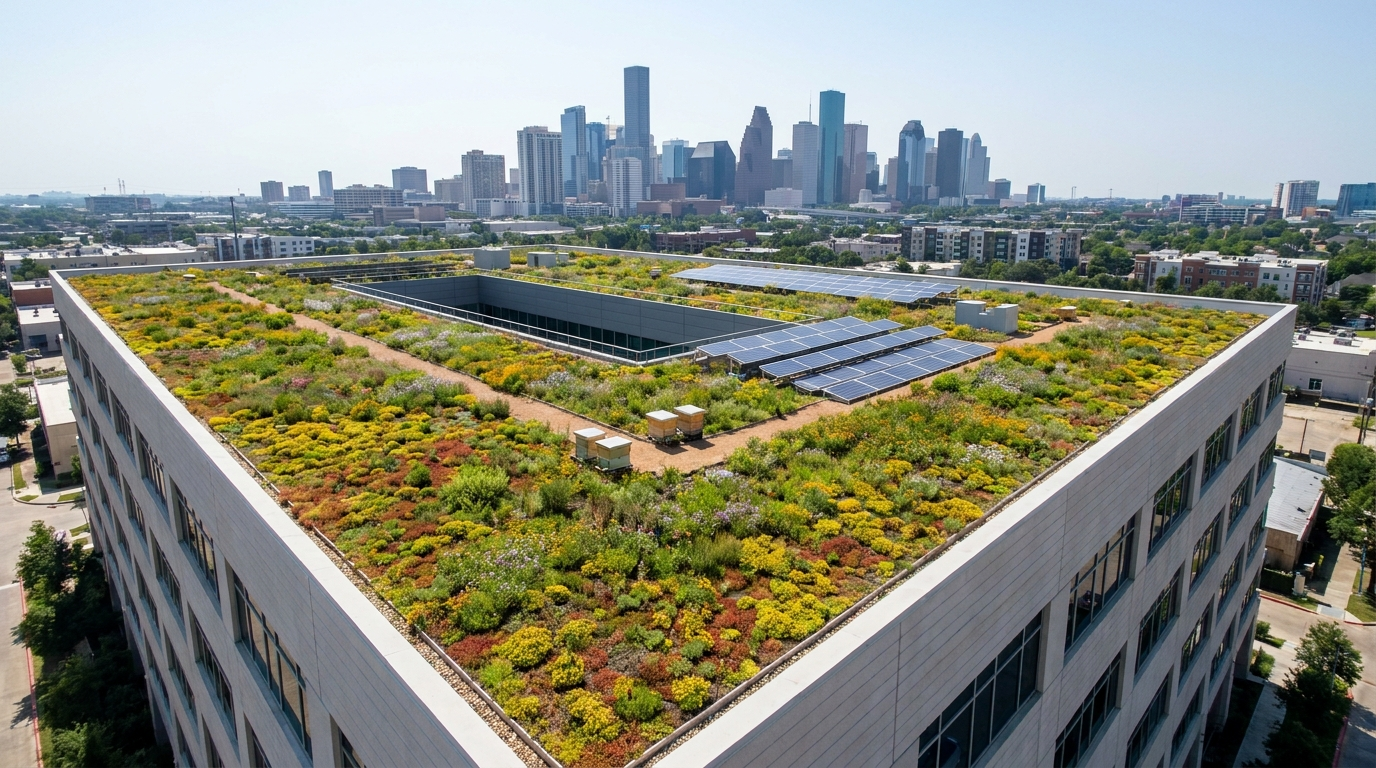
Green roofing systems Houston can work well for commercial buildings when the structure supports the added weight. These vegetated roofs reduce cooling costs, manage stormwater, and extend the life of the roof below them. Feasibility depends on your building’s structural capacity, drainage design, and maintenance plan. Commercial Roofing Houston evaluates and installs green roofing systems for businesses across Houston, Katy, and Sugar Land.
This guide covers how green roofs perform locally. It also explains costs, structural requirements, and how to know if your building qualifies.
Are Green Roofs Feasible for Houston Commercial Buildings?
Yes, green roofs are feasible for many Houston commercial buildings. Flat and low slope roofs common on warehouses and office buildings often meet the basic requirements. The biggest factor is structural load capacity, which a licensed engineer must confirm before installation.
Houston’s heavy rainfall and humidity actually support strong plant growth once drainage is designed correctly. A qualified contractor assesses your roof deck, drainage layout, and climate exposure before recommending a system.
What Is a Green Roofing System?
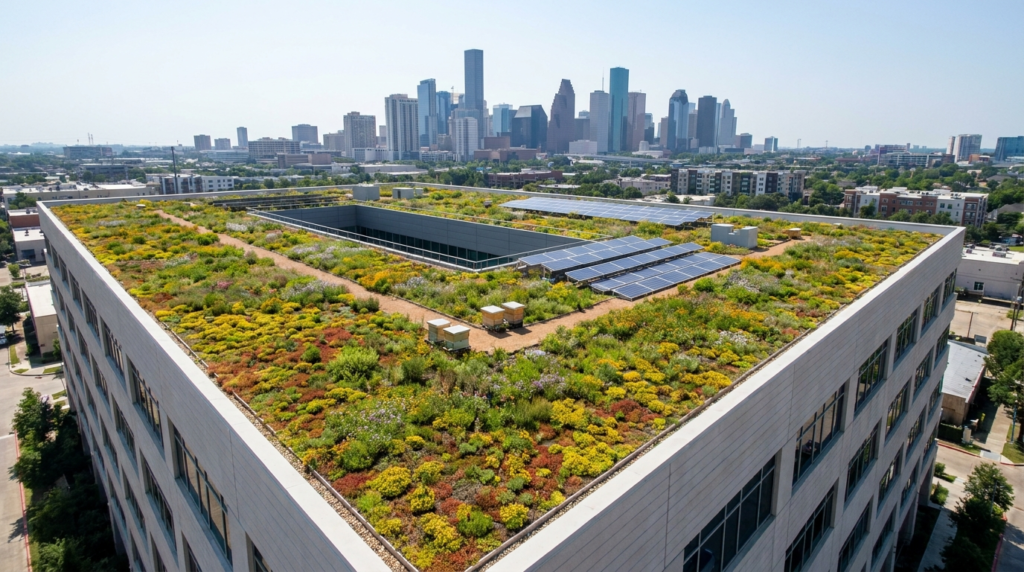
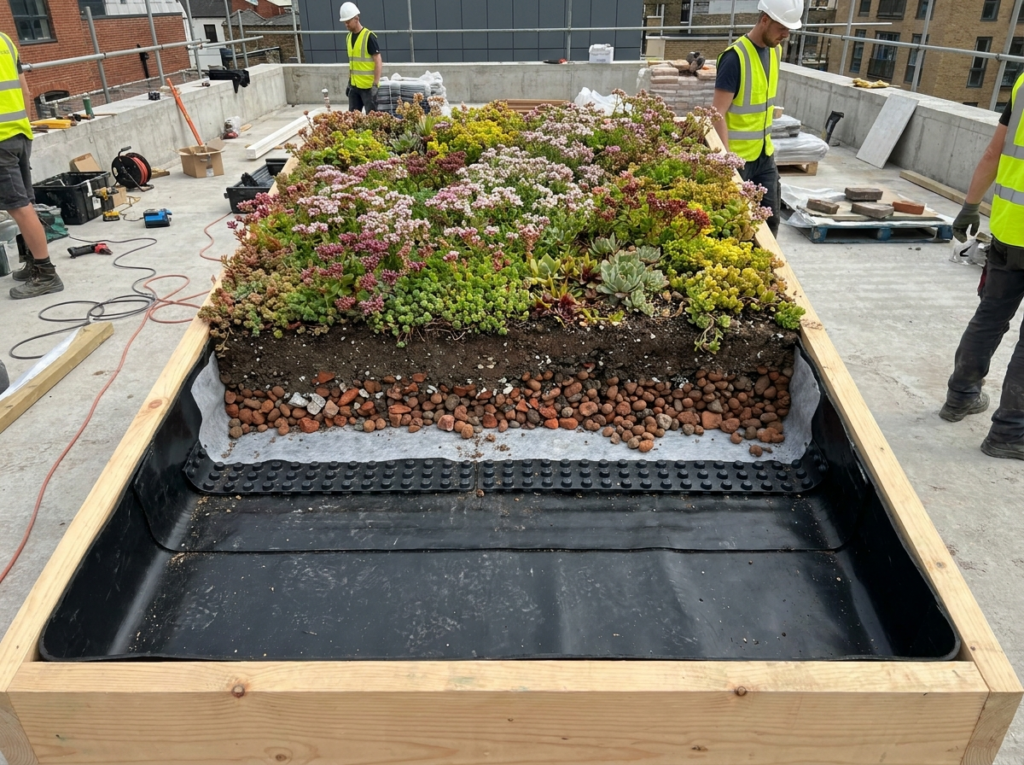
A green roofing system, sometimes called a living roof or vegetated roof, replaces part of a standard roof surface with layers of waterproofing, drainage, growing medium, and plants. Green roofing systems sit above the existing structural deck and roofing membrane. Two main types exist, and each suits different Houston properties.
Extensive Green Roofs
Extensive green roofs use a shallow growing medium, usually two to six inches deep. Drought tolerant plants like sedum and native groundcover thrive in this thin layer. These systems weigh 10 to 35 pounds per square foot when saturated, making them the lighter option for most commercial retrofits.
Intensive Green Roofs
Intensive green roofs use deeper soil, often eight inches or more, and support shrubs, small trees, and walkable paths. These roofs function like rooftop parks or gardens. They weigh significantly more, often 35 to 100 pounds per square foot, and almost always require structural reinforcement on existing buildings.
Benefits of Green Roofing Systems Houston for Properties
Green roofing systems offer several advantages that matter directly to Houston building owners:
Stormwater Management in a Flood Prone City
Houston deals with heavy annual rainfall and frequent flooding concerns. Green roofs absorb and slow stormwater runoff significantly, with studies showing extensive systems can retain a large share of rainfall during a given storm event. This reduces strain on drainage systems and helps limit runoff related flooding around the property.
Reduced Cooling Costs and Urban Heat Island Relief
Vegetation and soil insulate the roof deck and block solar heat from reaching the building interior. This lowers HVAC demand during Houston’s long, hot summers. According to the EPA’s guidance on green roofs and heat islands, green roofs provide both direct and ambient cooling effects that help offset urban heat buildup around commercial districts.
Extended Roof Lifespan
The growing medium and vegetation shield the waterproofing membrane from direct UV exposure and temperature swings. This protective layer can meaningfully extend the service life of the roof underneath. Building owners often see fewer membrane repairs over the life of the system.
Property Value and Sustainability Appeal
Green roofing systems support LEED certification goals for commercial properties. They also improve curb appeal and can serve as usable outdoor space for tenants or employees. Many Houston businesses use green roofs as a visible part of their sustainability branding.
Feasibility Challenges for Houston Commercial Buildings
Green roofing systems bring real benefits, but a few practical challenges need attention before installation:
Structural Load Requirements
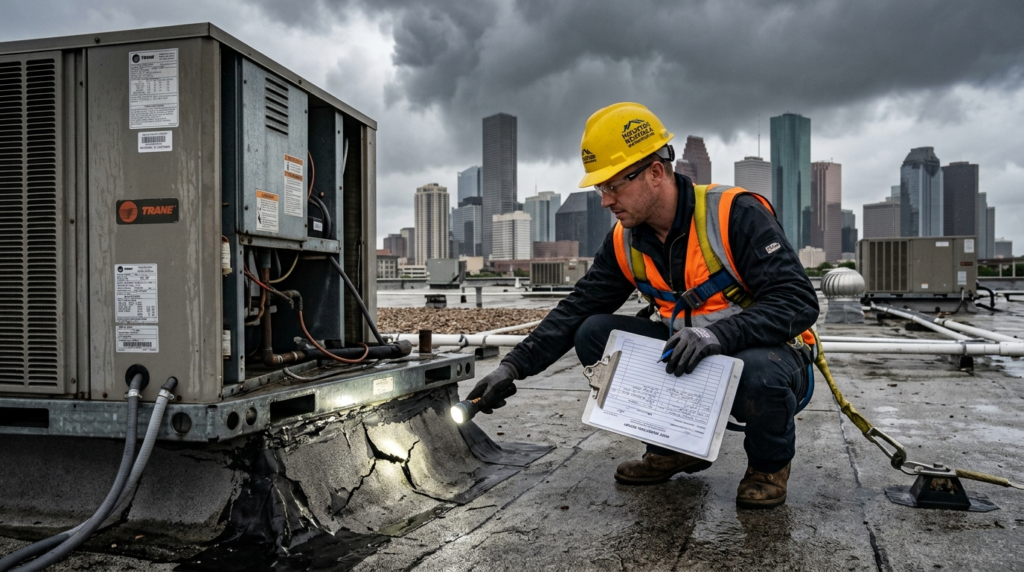
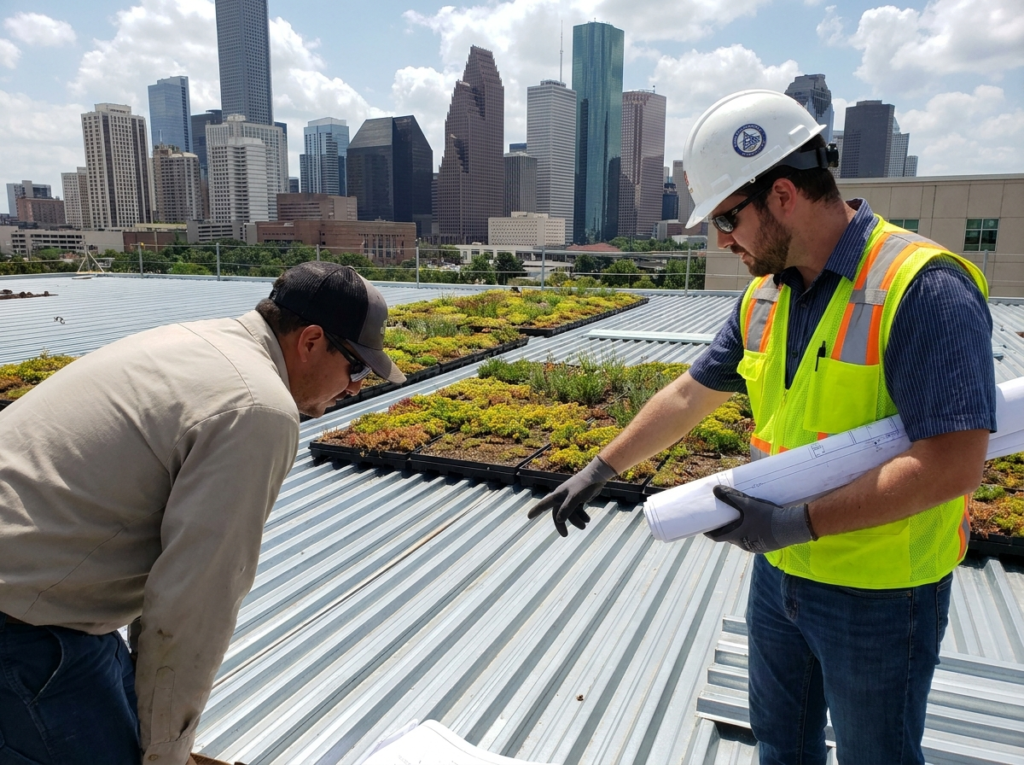
Structural capacity is the single most important feasibility factor. A licensed structural engineer must evaluate the roof deck to confirm it can support the saturated weight of the chosen system. Older buildings may need reinforcement before an extensive or intensive green roof can move forward.
Humidity, Drainage, and Plant Selection
Houston’s high humidity and heavy rain events require a well designed drainage layer beneath the growing medium. Poor drainage design can lead to standing water and root damage over time. Choosing drought tolerant, regionally suited plant species also reduces long term irrigation and maintenance needs.
Maintenance Commitment
Green roofs need routine attention, including weeding, fertilization, and inspection of the drainage system. Extensive systems require less upkeep than intensive ones but still need a maintenance schedule. Building owners should plan for this ongoing commitment before committing to a green roof project.
Green Roofing Systems Cost in Houston
Costs vary significantly based on system type, soil depth, and whether structural reinforcement is needed.
| System Type | Cost Range | Notes |
|---|---|---|
| Extensive green roof | $10 to $22 per sq ft | Shallow soil, drought tolerant plants, lower maintenance |
| Intensive green roof | $25 to $35 per sq ft | Deep soil, walkable paths, wider plant variety |
| Structural reinforcement | $10 to $30 per sq ft additional | Required when existing deck lacks sufficient load capacity |
| Annual maintenance | $0.75 to $1.50 per sq ft | Covers weeding, inspection, and fertilization |
Structural upgrades can represent a large share of total project cost on older buildings. A structural engineer assessment, typically $500 to $2,000, should happen early in the planning process. This step protects your budget from unexpected changes later in the project.
Green Roof vs Cool Roof: Which Fits Better?
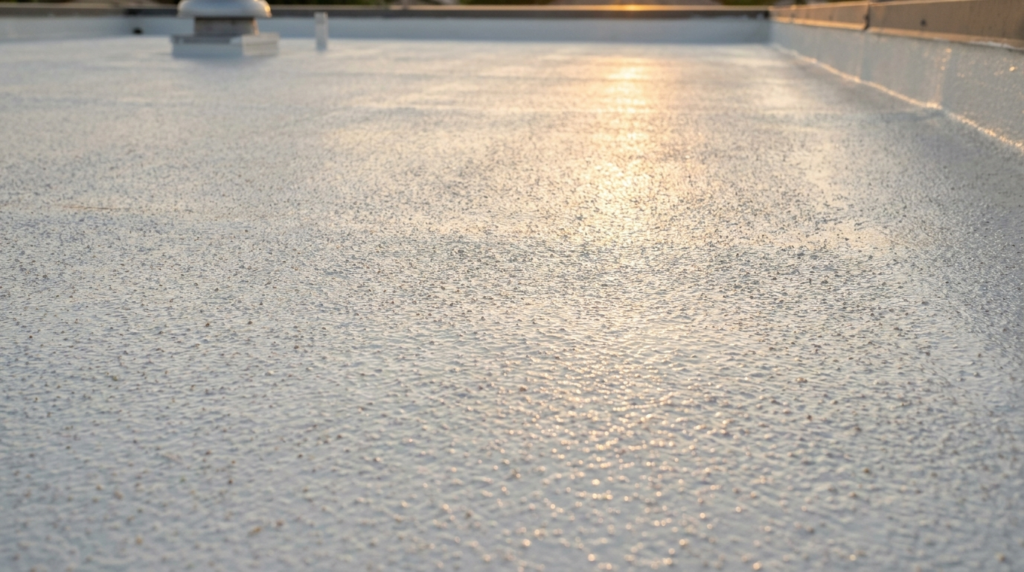
Cool roofs use reflective materials to bounce sunlight away from the building. Green roofs absorb that energy through vegetation instead of reflecting it. Both strategies lower rooftop surface temperatures significantly compared to a standard dark membrane.
Cool roofs generally cost less upfront and suit buildings focused mainly on energy savings. Green roofs cost more initially but add stormwater management, longer membrane life, and usable outdoor space. Buildings with strict budgets often start with a commercial roof coatings upgrade, while buildings pursuing broader sustainability goals lean toward a full green roof system.
Is a Green Roof Right for Your Houston Building?
Flat roofed warehouses, office buildings, and mixed use properties are strong candidates for green roofing systems. Buildings already scheduled for a commercial roof replacement present a good opportunity to evaluate green roof feasibility at the same time. New construction projects can also design the structural deck around a green roof from the start, avoiding reinforcement costs entirely.
For buildings pursuing broader energy efficiency, our guide on TPO roofing energy savings in Houston covers another path to lower cooling costs. If your building’s roof already needs work before a green roof can be considered, our Built Up Roofing systems guide explains one traditional option worth comparing.
Frequently Asked Questions
Can any commercial roof support a green roofing system in Houston?
Not every roof qualifies without modification. A structural engineer must confirm the deck can support the saturated weight of the chosen system.
Do green roofs help with Houston flooding concerns?
Yes, green roofs absorb and slow stormwater runoff significantly. This reduces the volume of water reaching drainage systems during heavy rain events.
How much maintenance does a green roof need?
Extensive green roofs need minimal upkeep, usually one or two visits per year. Intensive green roofs require more frequent care, including irrigation and plant management.
Is a green roof more expensive than a standard roof?
Yes, green roofing systems cost more upfront than conventional membranes. The added stormwater management, insulation, and extended membrane life often offset this cost over time.
What plants work best for green roofs in Houston’s climate?
Drought tolerant, native, and regionally adapted species perform best. These plants handle Houston’s heat and heavy rain with minimal irrigation once established.
Final Words
Green roofing systems offer strong benefits for the right Houston commercial buildings, but feasibility always starts with a structural evaluation. Our team assesses your roof’s load capacity, drainage, and design options before recommending a system. We proudly serve businesses across Houston, Katy, and Sugar Land with expert guidance on green roofing and every commercial roofing system we install.
Curious if a green roof fits your building? Contact our team today for a free feasibility assessment.