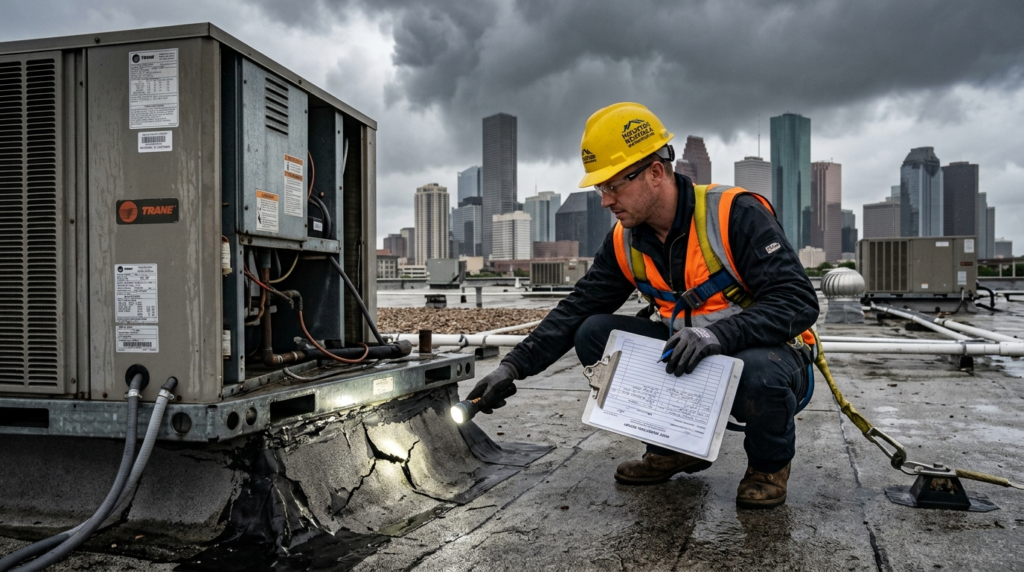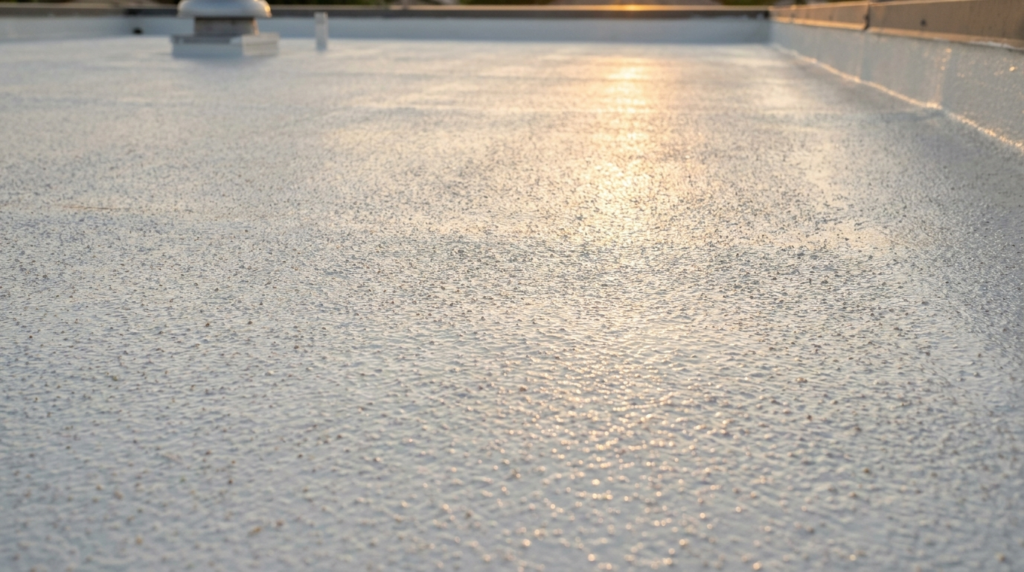
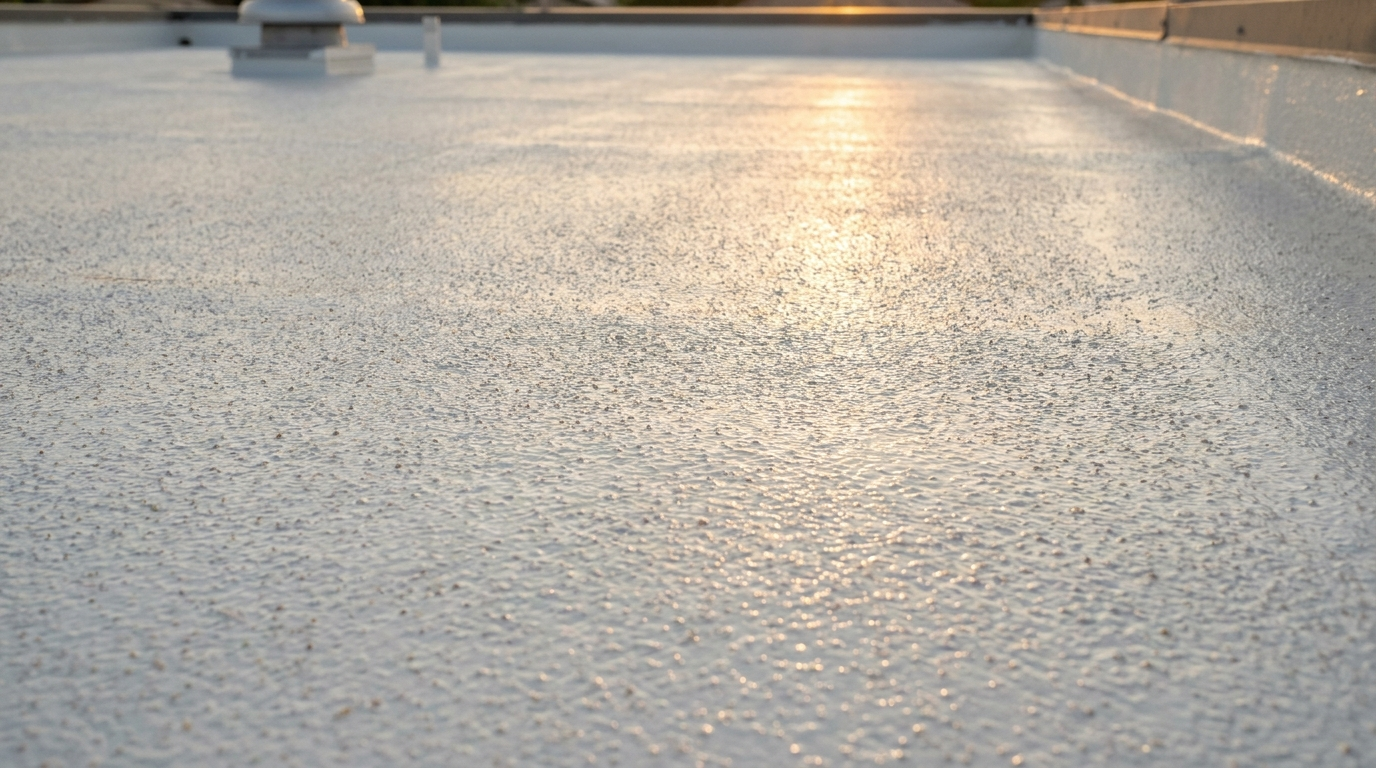
Spray polyurethane foam roofing works well for most Houston commercial buildings. SPF creates a seamless, lightweight layer that resists Houston’s heat, humidity, and heavy rainfall. This system suits flat and low slope roofs, especially ones with irregular shapes or drainage concerns. Commercial Roofing Houston installs and maintains SPF roofing for businesses across Houston, Katy, and Sugar Land.
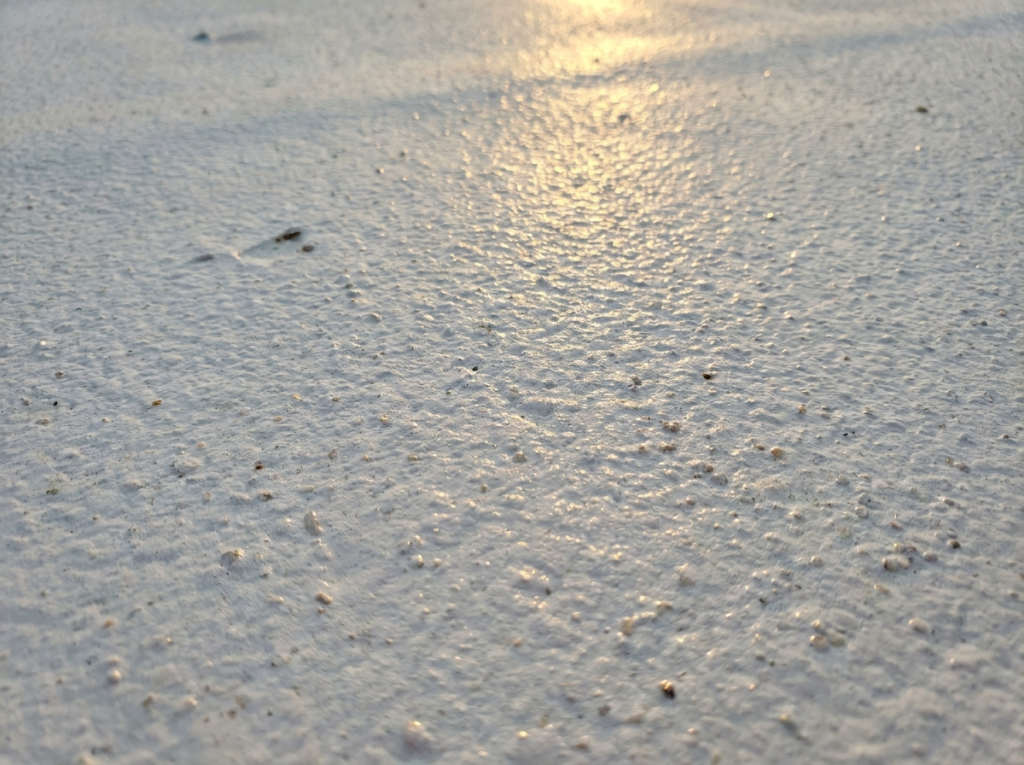
This guide explains how SPF performs in Houston’s climate. It also covers costs, maintenance needs, and which buildings benefit most.
Does SPF Roofing Work in Houston?
Yes, SPF roofing performs well in Houston when installed correctly. The foam adds strong insulation against year round heat and humidity. It also creates a seamless surface that resists Houston’s heavy annual rainfall.
The main challenge involves installation timing. SPF requires dry conditions and stable temperatures to cure properly. A skilled Houston contractor plans around weather windows to avoid this issue entirely.
What Is Spray Polyurethane Foam Roofing?
Spray polyurethane foam roofing starts as a liquid made from two chemical components. Installers spray this liquid directly onto an existing roof surface. It expands into a solid, seamless foam layer within seconds.
Once cured, crews apply a protective elastomeric or silicone coating over the foam. This top layer shields the foam from UV rays, rain, and foot traffic. The finished system creates one continuous membrane with zero seams for water to penetrate.
SPF roofing has protected commercial buildings since the 1960s. Texas A&M University alone has installed millions of square feet of this system across campus buildings. Many of those roofs have performed reliably for well over twenty years.
Why SPF Roofing Suits Houston’s Climate
Houston’s climate brings intense heat, high humidity, and heavy storms every year. SPF roofing addresses several of these challenges directly through its unique application method.
Superior Insulation for Year Round Heat
SPF delivers one of the highest R values of any commercial roofing material. This insulation keeps heat out during Houston summers and retains conditioned air year round. Building owners often report meaningful drops in cooling costs after installation, with some reports citing energy savings between 15 and 35 percent.
For buildings focused on energy performance, our TPO roofing energy savings guide for Houston properties compares how different systems affect cooling costs.
Seamless Protection Against Heavy Rain
Houston receives over 50 inches of rain most years. Seams remain a leading cause of leaks on traditional roofing systems. SPF eliminates seams entirely, creating one continuous, waterproof barrier across the entire roof surface.
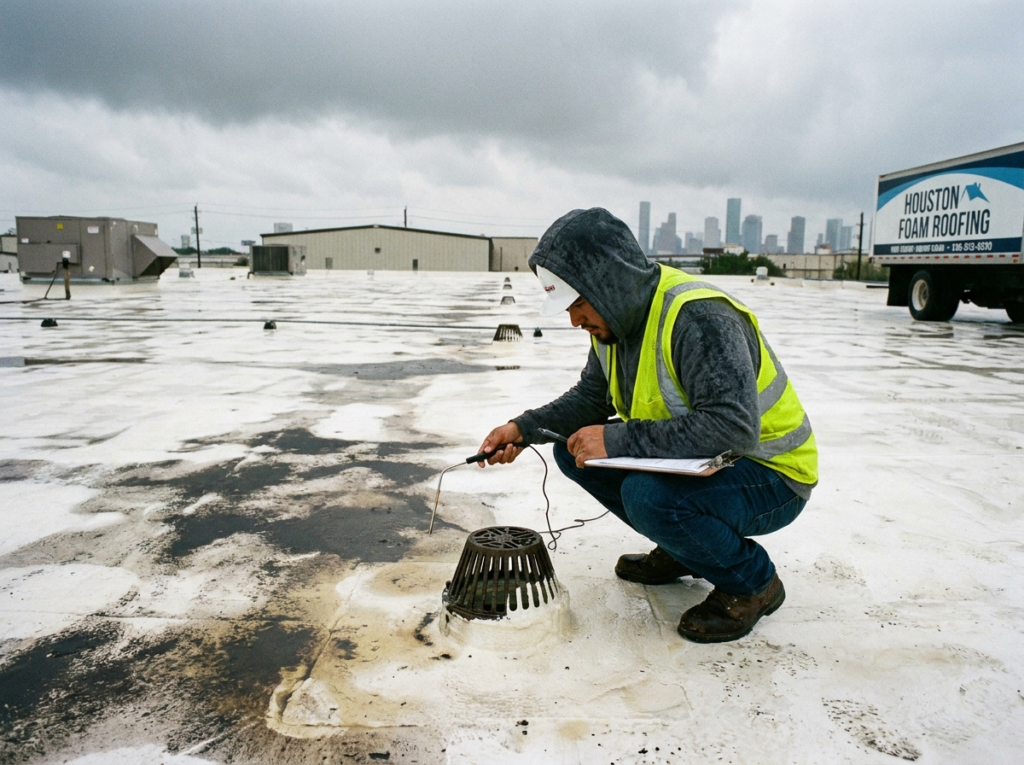
The foam also expands into gaps, curbs, and penetrations automatically. This self flashing quality reduces weak points around HVAC units and pipe stacks. Fewer penetrations mean fewer opportunities for water intrusion during Houston’s frequent storms.
Lightweight Application on Existing Roofs
SPF adds less than one pound per square foot to a roof structure. This makes it a strong option for older buildings with limited load capacity. Contractors can often spray SPF directly over an existing roof, avoiding a full tear off.
This approach saves on labor, disposal costs, and project timeline. Business operations continue with minimal disruption during installation.
Where SPF Roofing Needs Extra Care in Houston
SPF roofing brings real advantages, but Houston’s climate does create a few specific considerations.
Humidity and Application Timing
SPF requires dry surfaces and moderate temperatures to cure correctly. Installation typically needs temperatures above 50 degrees Fahrenheit and low humidity. Houston’s humid stretches can narrow the ideal installation window during parts of the year.
Experienced installers monitor weather conditions closely before starting a project. Proper timing ensures the foam cures evenly and bonds securely to the substrate. This is why choosing a contractor with local Houston experience matters significantly.
Ongoing Maintenance and Recoating
The protective topcoat on an SPF roof wears down gradually from sun and weather exposure. Manufacturers recommend recoating every 10 to 20 years depending on coating thickness. This step renews the warranty and protects the foam layer underneath.
Semi annual inspections help catch coating wear before it becomes a larger concern. Our team also handles commercial roof coatings for buildings that need a recoat to extend their SPF roof’s service life.
SPF vs Other Commercial Roofing Systems
SPF stands apart from traditional membrane systems in a few key ways. Built up roofing uses multiple heavy layers of asphalt and gravel. SPF weighs far less and installs without hot asphalt kettles or torches.
Single ply systems like TPO rely on seamed sheets and mechanical fasteners. SPF removes seams entirely and self flashes around rooftop penetrations. For a closer look at how traditional multi ply systems compare on cost and lifespan, see our guide on Built Up Roofing systems in Houston.
SPF also stands out for slope correction. The foam can build up low spots to improve drainage during application. Other systems cannot address ponding water issues without significant additional work.
SPF Roofing Cost in Houston
Spray polyurethane foam roofing costs vary based on project size and scope. Here is a clear cost breakdown for Houston commercial buildings.
| Project Type | Cost Range | Notes |
|---|---|---|
| New SPF installation | $4 to $7 per sq ft | Includes foam application and protective topcoat |
| 10,000 sq ft commercial roof | $40,000 to $70,000 | Typical mid size warehouse or office building |
| Thicker foam application | Higher end of range | Improves insulation value and drainage correction |
| Recoating an existing SPF roof | $1.50 to $4.00 per sq ft | Renews warranty, extends foam lifespan |
Thicker foam applications increase upfront cost but improve insulation value and drainage correction. Recoating an existing SPF roof costs significantly less than a full replacement. This renewable warranty structure makes SPF a strong long term value for Houston building owners.
Best Building Types for SPF Roofing in Houston
SPF roofing fits a wide range of Houston commercial properties. The sections below outline which building types benefit most.
Warehouses and Distribution Centers
Warehouses benefit from SPF’s strong insulation and lightweight application. Large, flat rooflines allow for efficient, uninterrupted spraying. Energy savings on these expansive roofs add up quickly over time.
Industrial Facilities
Industrial buildings often have irregular rooflines with multiple penetrations. SPF’s self flashing, seamless coverage wraps around equipment and vents easily. This reduces weak points that other systems struggle to seal.
Retail Stores and Office Buildings
Retail and office properties see strong energy savings from SPF insulation. Lower cooling costs make this system appealing for tenant occupied buildings. The seamless finish also protects against Houston’s frequent rain events.
Buildings With Existing Drainage Issues
Some Houston roofs struggle with ponding water in low spots. SPF corrects minor slope and drainage issues during application. This makes it a strong option for buildings with a documented history of standing water.
A professional inspection helps determine whether your specific roof qualifies for direct SPF application. If your building needs a new roofing system installed, our team manages full commercial roof installation projects across the Houston area, including SPF applications.
How Long Does an SPF Roof Last?
A properly installed and maintained SPF roof can last 30 to 50 years or longer. The foam itself does not break down under normal conditions when protected by its topcoat. Longevity depends almost entirely on consistent recoating and routine inspections.
Building owners who skip maintenance risk shortening this lifespan considerably. Semi annual checkups in spring and fall catch coating wear early. Prompt attention after major storms also protects the system from unexpected damage.
According to the Spray Polyurethane Foam Alliance, proper installation practices and routine maintenance remain the strongest predictors of long term SPF roof performance, which lines up closely with what we see on Houston commercial buildings.
Frequently Asked Questions
Is SPF roofing good for Houston’s humidity?
Yes, once cured, SPF resists humidity and moisture well. Installation simply requires dry conditions to allow proper curing and adhesion.
Can SPF roofing be applied over an existing roof?
Yes, SPF often sprays directly over an existing roof surface. This avoids a full tear off and reduces overall project cost.
How often does an SPF roof need recoating?
Most SPF roofs need recoating every 10 to 20 years. Coating thickness and sun exposure both affect this timeline.
Does SPF roofing help with energy costs in Houston?
Yes, SPF offers one of the highest insulation values of any roofing material. Many building owners see noticeable reductions in summer cooling costs.
Is SPF roofing suitable for flat commercial roofs with ponding water?
Yes, SPF can correct minor slope and drainage issues during application. This makes it a strong option for roofs with existing ponding concerns.
Get an SPF Roofing Evaluation for Your Houston Building
SPF roofing offers strong insulation, seamless waterproofing, and long term value for the right Houston commercial buildings. Our licensed team evaluates your roof’s condition, slope, and structure before recommending this system. We proudly serve businesses across Houston, Katy, and Sugar Land with expert SPF installation and maintenance.
Curious if SPF roofing fits your building? Contact our team today for a free roof inspection and estimate.